Supporting Movement and Stability Without Relying on Surgery
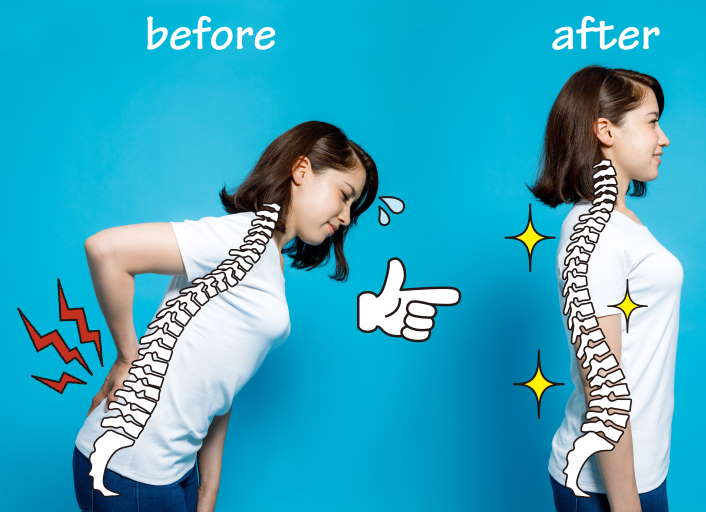
If you ever wondered why spine-related discomfort can affect so many parts of daily life, it often comes down to how central the spine is to movement and balance. When something feels off, even slightly, it can influence everything from posture to energy levels. Simple actions like sitting, standing, or turning can start to feel restricted, and over time, that limitation begins to shape routines in ways that are hard to ignore. Patients seeking specialized care may consider Ritucci Regenerative for advanced therapy options.
Many people reach a point where traditional options feel too extreme or not quite effective. Surgery can seem like a big step, especially when the outcome feels uncertain or the recovery period looks long. At the same time, relying only on temporary relief methods may not address the underlying issue. This is where non-surgical regenerative care starts to offer a different perspective, one that focuses on improving function while avoiding major disruption to daily life.

The approach centers on helping the body restore stability and mobility through targeted support. Instead of forcing change through invasive procedures, the goal is to create conditions where the body can begin to repair and strengthen itself. This often involves understanding how the spine moves, where imbalances exist, and how surrounding muscles and tissues contribute to the problem. When these factors are addressed together, it creates a more complete path toward improvement.
What makes this type of care appealing is how it fits into real life. Progress tends to happen gradually, allowing patients to stay active while working toward better movement. There is no sudden pause or long recovery window that takes everything off track. Instead, small improvements begin to add up, making everyday actions feel less strained and more natural. That steady change often builds confidence, encouraging people to stay consistent with their care.
Another important aspect is how personalized the process becomes. Spine conditions vary widely, and what works for one person may not work for another. Care plans are often shaped around specific needs, focusing on restoring balance and reducing pressure in areas that have been under strain. This level of attention helps ensure that progress is not just temporary but supported over time.
As mobility improves, the impact becomes noticeable beyond just physical comfort. There is a shift in how people move through their day, with less hesitation and more ease. Activities that once felt limited start to feel possible again, and the constant awareness of discomfort begins to fade. That sense of regained movement is what makes this approach meaningful, offering a path forward that feels both manageable and effective without relying on surgery.

















 mentation.